Why Buyers Work With Robin Patel
Seven things a buyer’s representative is actually for — market analysis, offer strategy, honest advice about walking away — and what each of them changes about your purchase.
The short answer
Robin Patel, a REALTOR® with The Agency Toronto, represents buyers across Brampton, Mississauga, Milton and Toronto in Gujarati, Hindi and English. A buyer’s representative changes four things about a purchase: what you offer, what conditions that offer carries, what you find out before those conditions come off, and whether anyone tells you to walk away.
Written forBuyers across the GTA — first-time buyers, move-up buyers, condo and townhouse buyers, pre-construction buyers and investors deciding who should represent them.
The short version
- The GTA is not one market — Brampton, Mississauga, Toronto, Milton and Kitchener can each be in a different market condition at the same time.
- An offer strategy is built from comparable properties, market activity, property condition and the seller’s circumstances, not from a percentage off list price.
- Pre-construction is a different transaction: builder, deposits, incentives, assignment restrictions, maintenance fees and closing costs all need to be understood before signing.
- A representative who never tells you to walk away is not representing you. Concerns should surface before you commit, not after.
- The relationship should outlast the closing — future value, refinancing, renovations, upgrading and the next purchase are all part of it.
What a buyer’s representative actually changes
A buyer’s representative changes four things about a purchase: what you offer, what conditions that offer carries, what you find out before those conditions come off, and whether anyone tells you to walk away. The seven sections below are those four things.
Robin Patel is a REALTOR® with The Agency Toronto, working with buyers across Brampton, Mississauga, Milton, Toronto and the surrounding GTA in Gujarati, Hindi and English.
Where does a first-time buyer actually start?
Buying your first home can be complicated. Robin helps you understand every important step — from determining your budget and mortgage pre-approval to viewing properties, making an offer, negotiating, completing due diligence and preparing for closing.
The part first-time buyers most often get out of order is the money: the budget and the pre-approval come before the showings, because a property you cannot finance is not a property you are looking at.
Is the GTA one market, or many?
The GTA is not one single real estate market. Brampton, Mississauga, Toronto, Caledon, Milton, Vaughan, Oakville, Burlington, Kitchener, Cambridge and other communities can have very different market conditions at the same moment.
This is what lets you make decisions based on data, local market knowledge and your personal goals — not on emotion alone.
- Current market conditions
- Comparable home sales
- Property values
- Neighbourhoods
- Future development
- Property taxes and carrying costs
- Resale potential
- Investment potential
- Buyer competition
How is the offer number decided?
Finding a home is only part of the process. Knowing what to offer, and how to negotiate, can make a significant difference to what you pay and what you are exposed to.
Robin analyzes comparable properties, market activity, property condition and the seller’s circumstances to help you develop a strategic offer.
Whether you are competing in a multiple-offer situation or negotiating in a buyer’s market, the job is to protect your interests and work toward the best outcome available in that market.
What is different about buying pre-construction?
Robin works across resale homes, condos, townhomes, detached homes, pre-construction properties and investment properties.
If you are considering pre-construction, that is a different transaction with a different risk profile, and it needs to be understood before you sign: the project, the builder, floor plans, pricing, deposits, incentives, assignment restrictions, maintenance fees, closing costs and potential resale considerations.
When should a real estate agent tell you not to buy?
A good real estate agent should not simply tell you what you want to hear. Robin’s approach is to provide honest, practical advice and to help you identify potential concerns before you commit to a property.
If a home does not make sense for your budget, your needs or your long-term plans, you deserve to know that. The objective is a successful purchase — not simply a successful transaction.
If a home does not make sense for your budget, your needs or your long-term plans, you deserve to know that.
What happens before the search starts?
Before the search starts, Robin goes through the budget, the commute, the location and the timeline, because those four decide which listings are worth a Saturday and which are not.
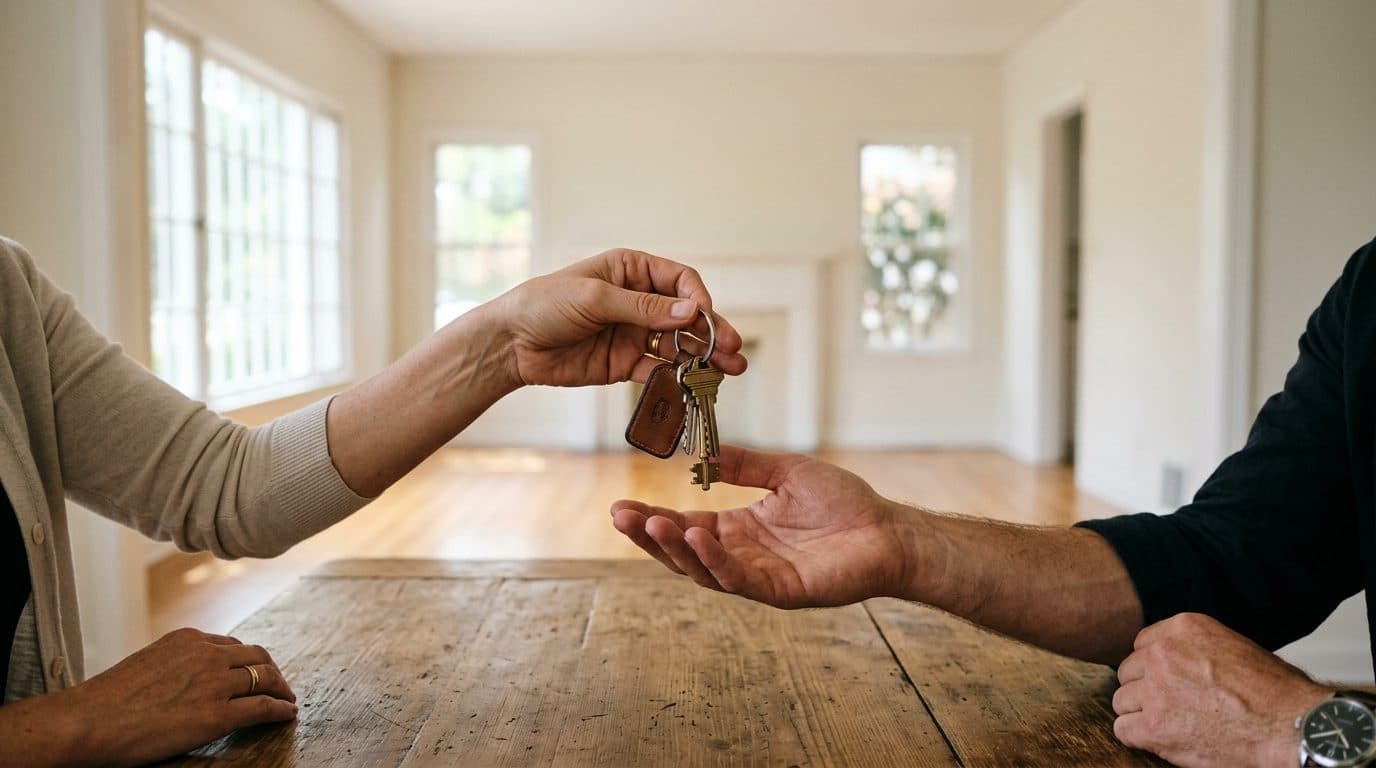
From the initial consultation to receiving the keys, the moving pieces get coordinated and you stay informed about what is happening and what happens next.
What happens after closing day?
Robin’s relationship with clients does not have to end on closing day.
Questions about what a property is now worth, about refinancing, about a renovation, about upgrading or downsizing all arrive years after closing. The relationship is built to still be there when they do.
What does the first conversation cover?
A buyer looking at Brampton, Mississauga, Toronto, Caledon and Milton is looking at four or five different market conditions at once. Preparation is what makes that manageable.
The first conversation is about the budget, the timeline, and where you actually need to be on a Tuesday morning.
Written by
Robin PatelSalesperson · The Agency Toronto
Updated
Published
Read in your language
A machine translation, not Robin’s words. For anything that decides money, ask him in Gujarati or Hindi directly.