Skip to content
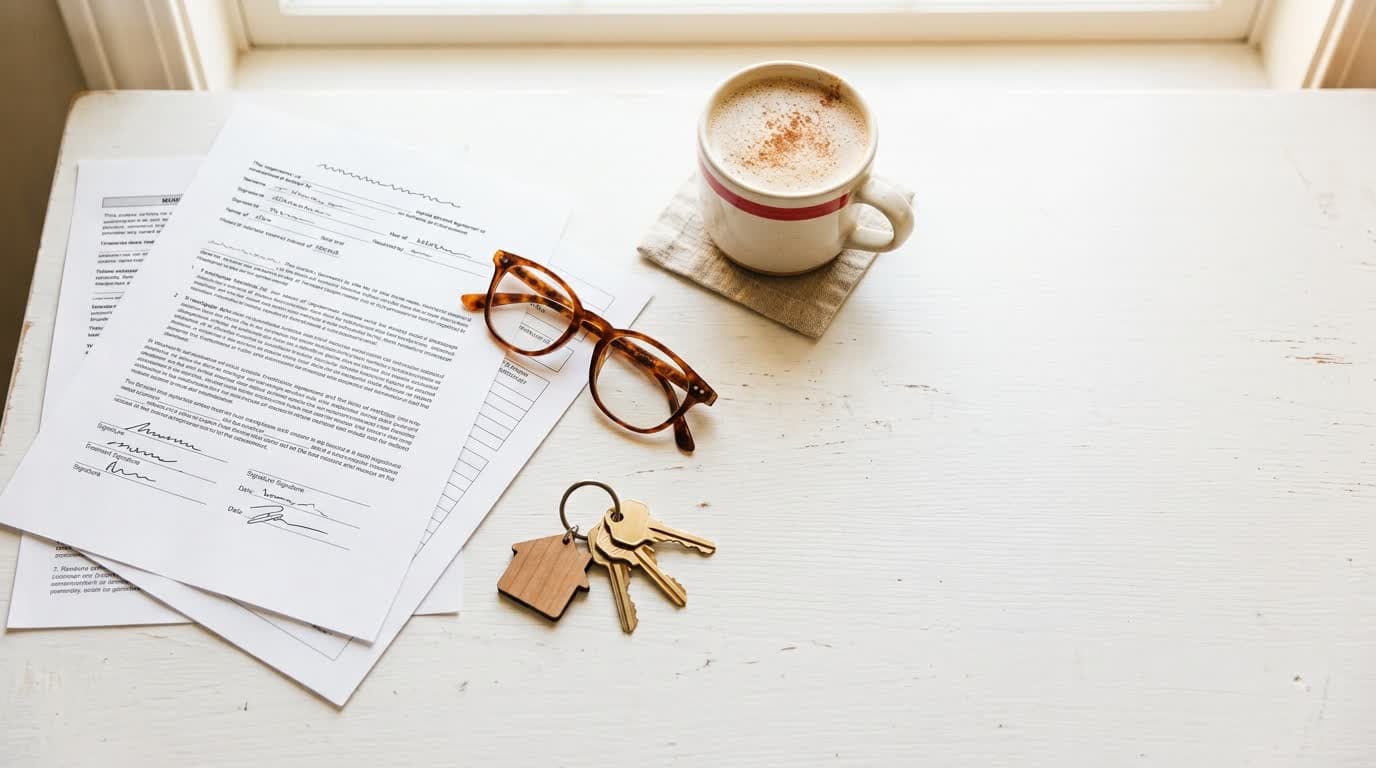
Contract pages, reading glasses and a new set of keys on a white table beside a cooling cup of chai — the table these questions get asked across.
Questions & Answers

First-time home buyer questions, answered in English, Gujarati or Hindi

These are the questions Robin Patel — a Gujarati- and Hindi-speaking REALTOR® with The Agency Toronto — is asked most often by first-time buyers in Brampton, Mississauga, Toronto and Kitchener-Waterloo. Robin answers the same questions live, at no cost, in whichever of the three languages you prefer.

Answers
22on this page
Topics
7covered
Languages
Gujarati · Hindi · English

About Robin Patel

Who is Robin Patel?

Robin Patel is a REALTOR® with The Agency Toronto and a first-time home buyer specialist working across the Greater Toronto Area. He speaks Gujarati, Hindi and English, and holds the ABR® (Accredited Buyer’s Representative), SRS® (Seller Representative Specialist) and RENE® (Real Estate Negotiation Expert) designations. Before real estate he earned a master’s degree from Rochester Institute of Technology and spent twelve years in operations and supply chain management.

What brokerage is Robin Patel with?

Robin Patel is registered with The Agency Toronto. Every real estate advertisement in Ontario must name the brokerage a registrant works for, and every transaction is carried out through it. Robin’s registered title is Salesperson, which is the term Ontario uses under the Trust in Real Estate Services Act.

What designations does Robin Patel hold?

Robin Patel holds three: ABR® (Accredited Buyer’s Representative), training focused on representing the buyer’s side of a transaction; SRS® (Seller Representative Specialist), the seller-side counterpart covering pricing and listing strategy; and RENE® (Real Estate Negotiation Expert), a certification in negotiation. All three are conferred by the Real Estate Business Institute (REBI). The ABR® is the one that matters most to a first-time buyer.

Gujarati, Hindi, and the families Robin works with

Does Robin Patel speak Gujarati and Hindi?

Yes. Robin Patel speaks Gujarati (ગુજરાતી), Hindi (हिन्दी) and English fluently, and conducts the entire buying or selling process in whichever of the three a family prefers — offers, conditions, inspection results and closing documents included. There is no interpreter and no translated summary of a conversation someone else had. Parents and extended family are welcome in every meeting, which is usually how these decisions actually get made.

Is there a Gujarati-speaking REALTOR® in Canada?

Yes. Robin Patel is a Gujarati- and Hindi-speaking REALTOR® registered in Ontario with The Agency Toronto, working with first-time buyers, newcomers and investors across the Greater Toronto Area and surrounding Ontario communities — Brampton, Mississauga, Toronto, Kitchener-Waterloo, Caledon, Milton, Vaughan and Georgetown. He holds the ABR®, SRS® and RENE® designations and conducts the whole transaction — offers, conditions and closing documents — in Gujarati, Hindi or English. Real estate licensing in Canada is provincial, so a REALTOR® practises in the province where they are registered.

Is there a Gujarati-speaking REALTOR® in Brampton?

Yes. Robin Patel is a Gujarati- and Hindi-speaking REALTOR® with The Agency Toronto who works throughout Brampton, alongside Mississauga, Toronto, Caledon, Milton, Vaughan, Georgetown and Kitchener-Waterloo. Brampton is where a large share of his first-time buyer clients purchase, and the whole transaction — from pre-approval through to the closing appointment — can be handled in Gujarati, Hindi or English.

Who is the best Gujarati REALTOR® in the GTA?

No one can honestly answer that for you, and Ontario restricts a registrant from claiming it. Judge on what you can check: does the agent hold buyer-side credentials, and will they conduct the transaction in Gujarati? Robin Patel holds the ABR®, SRS® and RENE® designations and works in Gujarati, Hindi and English. His brokerage ranking was issued by RE/MAX Metropolis Realty, his brokerage before The Agency Toronto.

Do you understand Vastu and multigenerational family needs?

Yes. In practice that means screening on criteria a portal cannot filter: entrance orientation, kitchen placement, a main-floor bedroom and bathroom for grandparents, a second living area, ducted kitchen ventilation for daily Indian cooking, space for a mandir, and parking for the real number of drivers. Robin Patel asks these questions without needing them explained, and works with whichever family members are part of the decision.

Buying your first home in the GTA

Which REALTOR® should a first-time home buyer in Brampton use?

Look for buyer-side training rather than sales volume: the ABR® designation exists specifically for representing buyers. Ask whether they will explain conditions and closing costs in the language your family decides in, and whether they understand legal second units, because in Brampton the basement question comes up on nearly every purchase. Robin Patel of The Agency Toronto holds the ABR® and works in Gujarati, Hindi and English.

What is the difference between a deposit and a down payment?

The deposit is the cheque you provide shortly after your offer is accepted. It is held in the listing brokerage’s trust account and credited toward your purchase at closing. The down payment is the total of your own money going into the purchase, with the balance moving through your lawyer on closing day. The deposit is part of the down payment, not additional to it — and once conditions are waived, it is genuinely at risk.

How much cash do I need on closing day?

Beyond your down payment, budget for land transfer tax — two of them inside Toronto, offset for a first-time buyer by rebates capped at $4,000 provincially and $4,475 municipally (City of Toronto and Ontario Ministry of Finance, verified 28 August 2026) — then legal fees and disbursements, title insurance, the sales tax on mortgage default insurance if your mortgage is insured, adjustments reimbursing the seller for prepaid property taxes and utilities, a status certificate fee on a condominium, and moving costs. Price each line rather than using a rule of thumb — this is where first purchases most often run short.

Down payments, government programs and closing costs

What is the minimum down payment for a first home in Ontario?

The minimum down payment in Ontario is 5% of the first $500,000, 10% of the portion between $500,000 and $1.5 million, and 20% at $1.5 million and above, where mortgage default insurance is not available at all. On a $750,000 home that is $50,000. Robin Patel works this through against a real purchase price before you make an offer. Financial Consumer Agency of Canada, verified 31 August 2026.

What is CMHC mortgage insurance and who pays for it?

If your down payment is below the conventional share of the price, your mortgage is high-ratio and must carry default insurance, written by CMHC, Sagen or Canada Guaranty. The insurance protects the lender, not you, and you pay the premium — a percentage of the loan that rises as your down payment falls, normally added to the mortgage balance. One Ontario detail catches people: provincial sales tax applies to that premium and cannot be added to the mortgage, so it is due in cash on closing day.

Should I use the FHSA or the RRSP Home Buyers’ Plan?

You can use both on the same home if you meet each program’s conditions at each withdrawal. The First Home Savings Account is a registered account: contributions are deductible the way RRSP contributions are, and money withdrawn for a qualifying first home comes out tax-free, growth included, opening with $8,000 of participation room in your first year. The RRSP Home Buyers’ Plan is a loan from yourself — up to $60,000 per person, repaid into an RRSP over 15 years, with anything unrepaid added to your taxable income (Canada Revenue Agency, verified 28 August 2026).

Do first-time home buyers pay land transfer tax in Ontario?

Yes, but an eligible first-time buyer claims a refund of up to $4,000 against it, and pays no provincial land transfer tax at all below a purchase price of $368,000 (Ontario Ministry of Finance, verified 28 August 2026). Inside the City of Toronto you pay a second, municipal land transfer tax, which carries its own separate rebate capped at $4,475 (City of Toronto, verified 28 August 2026). The two rebates stack, and your lawyer normally claims them at registration.

What credit score do I need to buy a home in Canada?

Lenders set their own minimums and weigh your score alongside income, employment stability and existing debt, so there is no single qualifying number. What consistently helps: pay every account on time, keep balances well below your limits, and do not open new credit between your offer and your closing — a new car loan after a pre-approval can change what the lender will fund. If you have no Canadian file yet, a secured credit card is the standard starting point.
Newcomers to Canada

Do you help newcomers to Canada buy their first home?

Yes — it is a large part of Robin Patel’s practice. Newcomer purchases work differently: your immigration status determines which federal and Ontario rules apply, credit history from abroad does not transfer into the Canadian bureaus, and lenders run newcomer mortgage programs with requirements that vary considerably. Robin works through that sequence with families in Gujarati, Hindi or English, and will say plainly when the right move is to wait and build the file properly.

Can I buy a home in Canada on a work permit?

Often yes, but it depends on your specific status. The federal ban on residential purchases by non-Canadians runs in Canada’s larger urban areas until 1 January 2027 (CMHC, verified 28 August 2026), and its exceptions cover many work permit holders. Ontario separately charges a 25% Non-Resident Speculation Tax on residential purchases by foreign nationals (Ontario Ministry of Finance, verified 28 August 2026), payable in cash on closing. Confirm your own position with a real estate lawyer before making an offer — Robin Patel walks newcomer clients through this in Gujarati, Hindi or English.

Can my parents in India send me the down payment?

Generally yes, if it is documented on both ends. Canadian lenders must establish the source of funds and will review months of account history, so a gift needs a signed gift letter plus evidence of the giver’s own funds. India regulates outward remittance by resident individuals through the Liberalised Remittance Scheme, with an annual per-person limit and bank paperwork. Start early — a transfer held for compliance review does not move your closing date.

How the process actually works

How long does a mortgage pre-approval last, and is it a guarantee?

A pre-approval holds a rate for a window your lender sets, and it is not a guarantee. Ask for the length of that window and its expiry date in writing on the day the pre-approval is issued. The lender re-verifies your income, employment, debt and credit before closing, and it assesses the property too — so a change in your circumstances, or an appraisal below the agreed price, can move the approval. Get it before you start looking, then keep your financial position still until you close.

Where Robin works

What areas does Robin Patel serve?

Robin Patel works across the Greater Toronto Area and surrounding Ontario communities, with dedicated coverage of Brampton, Mississauga, Toronto, Kitchener-Waterloo, Caledon, Milton, Vaughan and Georgetown. His wider service area includes Burlington, Oakville, Halton Hills, Markham, Richmond Hill, Aurora, Newmarket, Pickering, Ajax, Whitby, Oshawa, Hamilton, Guelph, Waterloo, Cambridge, Barrie and Brantford — through The Agency Toronto, in Gujarati, Hindi or English.

What if your question isn’t here?

Ask it. Robin answers first-time buyer questions before there is any agreement in place, because most people need three or four answers before they know whether they are ready to buy at all. Call or text 647-273-0848, or send a message. If you would rather read first, the buyer guides go further on the same ground.

General information only, current at the time of writing. It is not mortgage, tax or legal advice, and program rules change — confirm your own situation with your lender, your lawyer and your accountant.

Next step

The shortest first call is the one you prepared for

Read the answer that applies to you, then call with the question it did not cover. Gujarati, Hindi or English, and nothing is signed on a first call.