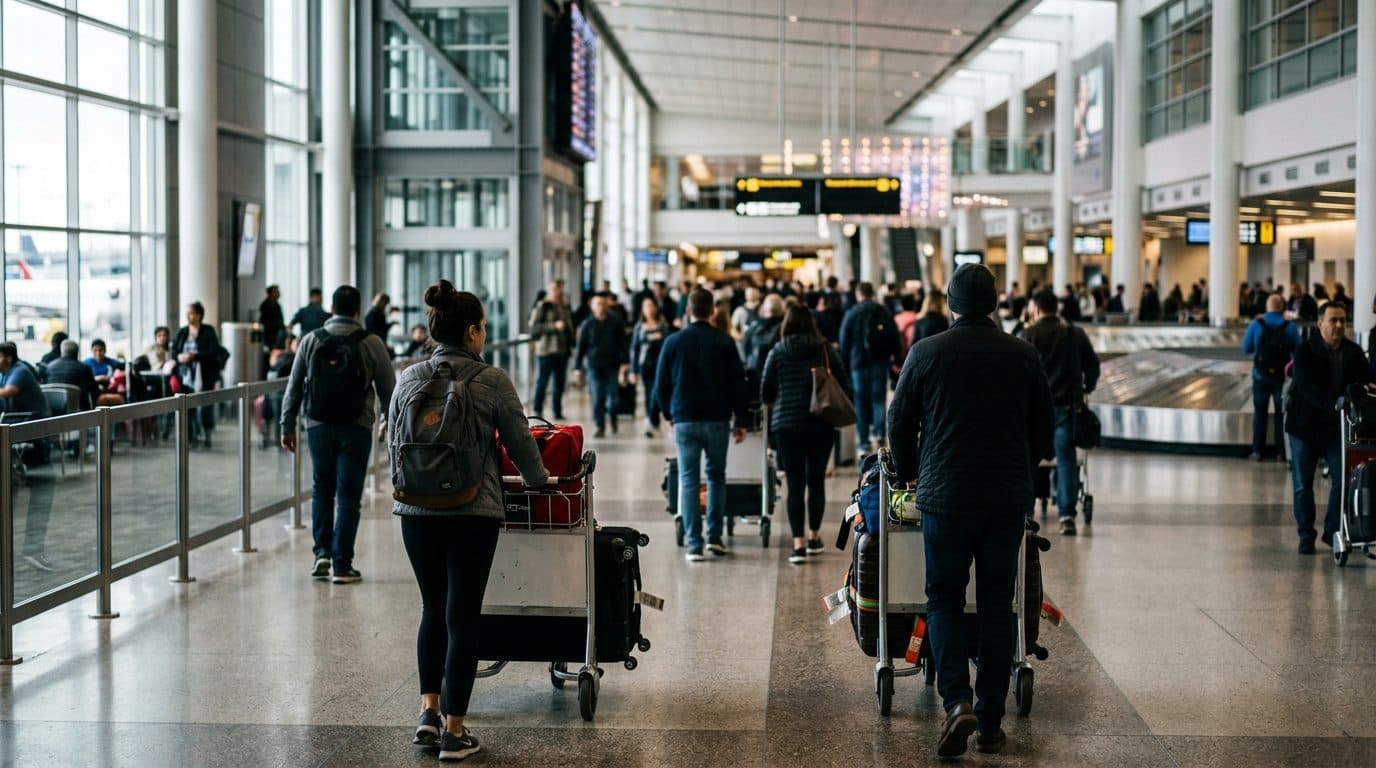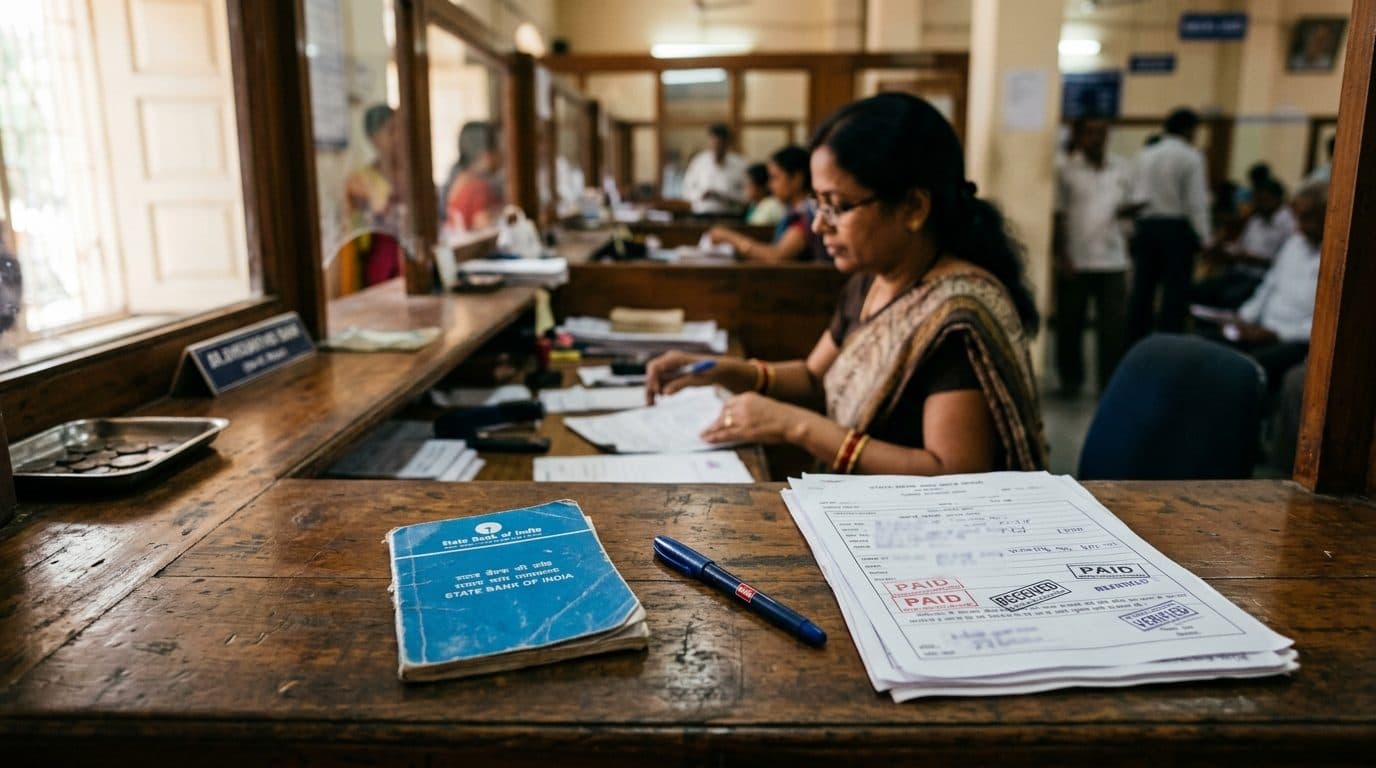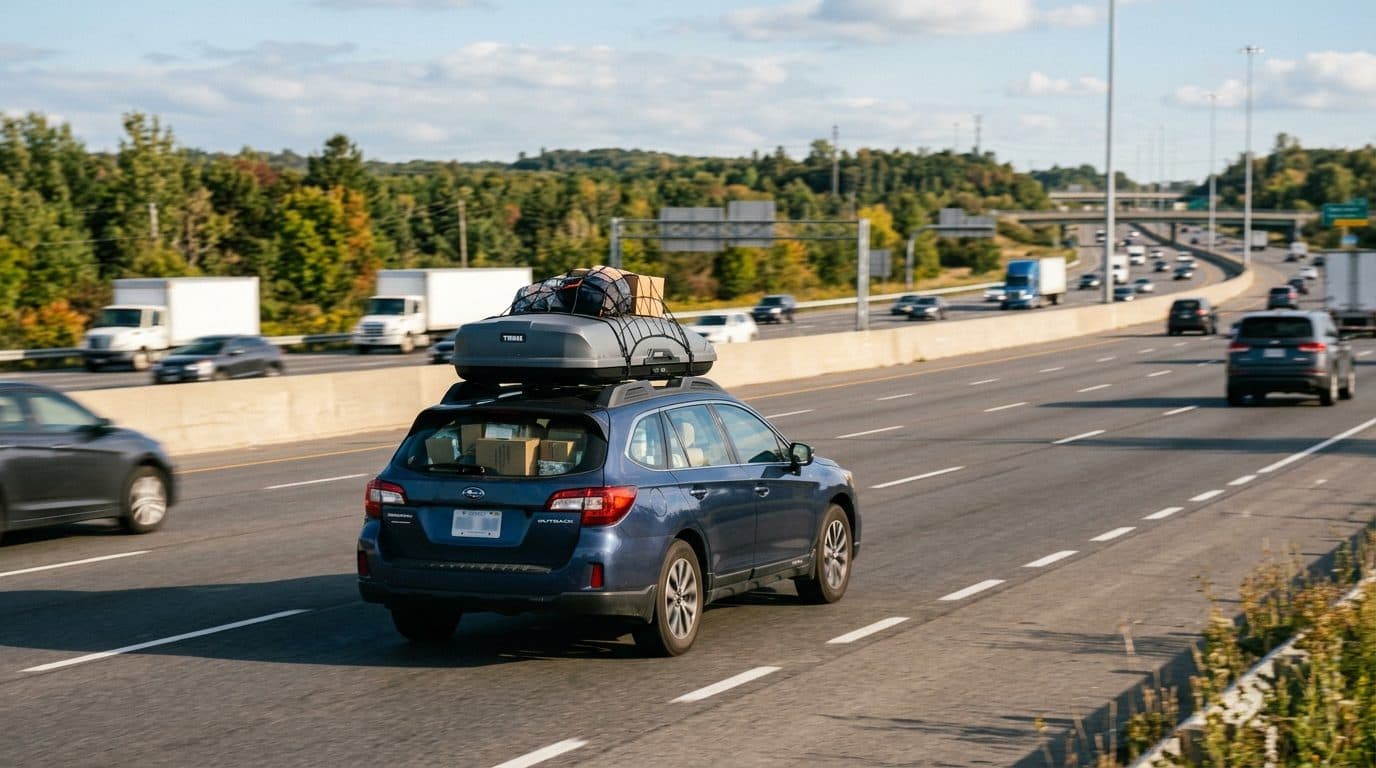
Moving to the GTA: A Relocation Guide for Buyers Coming From Canada, the USA and Around the World
The GTA is not one real estate market. Before you compare houses, compare geography, commute, taxes, transit, schools and total acquisition cost — because the cheapest house is rarely the most affordable one for your life.
The short answer
Robin Patel narrows a relocating buyer’s search in stages, comparing communities before comparing houses, so families do not tour homes in the wrong municipality. Toronto, Peel, York, Durham, Halton and Waterloo Region differ on price, property type, commute, transit, schools and property taxes. The Greater Toronto Area is not one market.
Written forBuyers relocating to the Greater Toronto Area from another Canadian province, the United States, India or anywhere else in the world.
The short version
- The GTA is not one market — Toronto, Peel, York, Durham, Halton and Waterloo Region differ on price, property type, commute, transit, schools and property taxes.
- Compare total acquisition cost, not purchase price: a Toronto property carries a municipal land transfer tax on top of the provincial one.
- For Ontario’s first-time buyer land transfer tax refund, previous homeownership anywhere in the world can affect eligibility — owning a home in India or the USA can disqualify you.
- Get a Canadian mortgage pre-approval before you search; Canadian lenders assess foreign income, foreign debt and foreign credit differently than lenders abroad.
- Narrow in stages — lifestyle, then finances, then community, then property. Choosing the house first is how relocating buyers end up in the wrong location.
Start with where you should live, not with what you can find
Moving to the Greater Toronto Area from another part of Canada, the United States, India, or another country can be exciting — but choosing where to live is often one of the biggest decisions involved in the move.
The GTA is not one single real estate market. Toronto, Mississauga, Brampton, Vaughan, Milton, Oakville, Burlington, Caledon, Etobicoke, Markham, Richmond Hill and surrounding communities can differ significantly in home prices, property types, commute times, transit options, schools, property taxes, neighbourhood characteristics and lifestyle. Go a little farther and communities such as Kitchener-Waterloo, Cambridge, Guelph, Hamilton and Barrie can present an entirely different combination of affordability, commuting and lifestyle.
That is why Robin encourages relocating buyers to start with one question: where should I live based on my life — not simply where can I find a house? This guide explains the real estate factors to consider before buying or renting a home in the Greater Toronto Area and the surrounding Ontario communities.
Understand the geography of the GTA first
One of the first mistakes someone moving to the Toronto area can make is assuming that everything called the GTA is relatively close together. It is not. The Greater Toronto Area includes Toronto and surrounding municipalities across Peel, York, Durham and Halton regions. Beyond the traditional GTA, many buyers also consider communities in Waterloo Region, Hamilton, Guelph, Barrie and other parts of Southern Ontario.
Before deciding where to buy, work through these questions honestly rather than optimistically:
- Where will you work, and how often will you actually commute?
- Will you work from home, and does your spouse work in a different city?
- Do you need access to Toronto, and do you need GO Transit?
- Will you drive or use public transportation?
- Where do your relatives and friends live?
- Where will your children go to school?
- What amenities are important to your family?
Choose the location and the lifestyle first, the property second
A house that appears to be a great deal may become less attractive if it creates a difficult daily commute. A beautiful home does not solve the problem if the location does not work for your family’s everyday life.
This is the single piece of advice Robin repeats most often to relocating buyers, because it is the one that is hardest to act on. Listings are visible and easy to compare. Commutes, school boundaries, property tax bills and the distance to the people and places you rely on are not — and they are what you live with.
Do not compare home prices without comparing what you receive
Someone moving from another province, the United States or another country may initially be surprised by GTA real estate prices. However, even within Southern Ontario, prices can vary considerably.
Instead of asking only what a house costs in the GTA, ask what your budget can buy in different GTA communities. The same budget might provide very different property options depending on whether you are searching in Toronto, Etobicoke, Mississauga, Brampton, Vaughan, Milton, Caledon, Burlington, Hamilton, Kitchener, Waterloo, Cambridge, Guelph or Barrie.
Compare not only the purchase price but everything attached to it:
- Property type, lot size and the age of the home
- Whether the basement is finished
- Parking and garage
- Condominium fees, where they apply
- Property taxes
- Renovation requirements
- Transit accessibility and the commute
- Future resale potential
Get an Ontario mortgage pre-approval before starting your search
Before seriously looking at homes, speak with a Canadian lender or qualified mortgage professional. Your income, credit history, down payment, existing debts, employment status and residency status can all affect mortgage qualification.
This becomes particularly important for people arriving from the United States or another country, because Canadian lenders may evaluate income and credit differently than lenders in their previous country.
If you are relocating because of a new job, tell your mortgage professional about your new employment, any probation period, your salary and bonuses, self-employment income, foreign income, existing properties, foreign debts, your Canadian credit history and your available down payment.
Do not assume that because you can afford a particular home based on your own calculations, a Canadian lender will automatically approve the mortgage. Get financing guidance early.
Understand your down payment requirements — and what you keep back
Your required down payment depends on several factors, including the property’s purchase price and your mortgage qualification. Mortgage default insurance is generally required when the buyer’s down payment falls below the federal threshold, subject to the applicable qualification requirements.
A larger down payment can reduce your mortgage amount, but using all your available cash for the down payment is not always the right strategy. You should also maintain funds for closing costs, land transfer tax, legal fees, moving expenses, furniture, immediate repairs, renovations and emergency savings.
Getting the keys is the part that is easy to plan for. The harder question is what the first year of payments, property tax, insurance and repairs leaves in your account at the end of each month.
Moving from the USA? Canadian mortgages work differently
If you are relocating from the United States to Ontario, do not assume the mortgage system works exactly the same way. Canadian mortgages have their own qualification requirements, mortgage terms, amortization periods, renewal processes, fixed and variable structures, prepayment privileges, penalties and mortgage insurance requirements.
Before buying, have a Canadian mortgage professional explain these differences. Your U.S. income, credit history, assets and debts may also require additional documentation.
Before purchasing, work through four things with a Canadian mortgage professional: how you qualify here, what documentation your U.S. employment and credit history will need, how money moving across the border has to be evidenced, and what land transfer tax will cost you on closing day. For immigration, tax and legal matters, obtain advice from the appropriate licensed professionals.
Moving from another country? Start building your Canadian financial profile
If you recently arrived in Canada, you may have limited Canadian credit history. That does not necessarily mean you cannot purchase a home. However, you should speak with a mortgage professional who understands newcomer financing programs and determine what documentation may be required.
You may be asked for information relating to your employment, your income, your Canadian credit, your international credit history, bank statements, your down payment, the source of those funds, and your residency or immigration status.
Starting this process before viewing properties can prevent unnecessary surprises later.
Understand the rules affecting non-Canadian buyers
Citizenship and residency status can affect the purchase of Canadian residential real estate. Before purchasing, buyers who are not Canadian citizens or permanent residents should obtain current legal and tax advice regarding their eligibility to purchase and any taxes that could apply.
Ontario’s Non-Resident Speculation Tax may also apply to certain foreign purchasers. Because federal and provincial rules can change, confirm the regulations that apply to you before submitting an offer rather than after.
Ontario land transfer tax, and what first-time status really means
Ontario homebuyers generally pay land transfer tax when purchasing property. This is an important closing expense and should be calculated before you determine your maximum home-buying budget.
Certain eligible first-time home buyers may qualify for an Ontario land transfer tax refund. However, Ontario’s first-time buyer definition matters enormously to relocating buyers. For the Ontario refund, previous homeownership anywhere in the world can affect eligibility.
That means someone moving from India, the USA or another country who previously owned a home should not automatically assume they qualify as an Ontario first-time home buyer. Discuss your circumstances with your real estate lawyer.
Buying in Toronto? Remember the additional municipal land transfer tax
This is one of the most important differences for someone comparing Toronto with the surrounding municipalities. Properties purchased within the City of Toronto can be subject to Toronto’s municipal land transfer tax in addition to Ontario’s provincial land transfer tax.
If you are comparing a property in Toronto with a similarly priced home in Mississauga, Brampton, Vaughan or another municipality, your total closing costs may be different. Always compare total acquisition cost, not simply purchase price.
Budget for closing costs
Your down payment is not the only cash you may need. Depending on your transaction, the potential costs include:
- Land transfer tax — provincial, plus the municipal tax inside the City of Toronto
- Legal fees
- Title insurance
- Home inspection
- Appraisal
- Property tax adjustments and utility adjustments
- Moving costs
- Home insurance
- Immediate repairs
- Furniture and appliances
Research property taxes and condo fees before you judge affordability
Two similarly priced houses in different municipalities can have different annual property taxes. Do not judge affordability based only on the mortgage payment. Ask what this house will actually cost you every month: mortgage plus property tax plus insurance plus utilities plus maintenance plus condo fees, where they apply. That gives a much more realistic picture of homeownership.
Condos can be an excellent choice for relocating buyers, particularly those who want convenient locations and lower exterior maintenance. But before buying one, understand the monthly condo fees, what utilities are included, parking, locker ownership, amenities, the reserve fund, the status certificate, the rules and restrictions, upcoming major repairs and any special assessments.
A lower-priced condo with high monthly fees may not be more affordable than another property with a higher purchase price. Have the status certificate reviewed by your lawyer as appropriate.
Check the commute during realistic hours — and check the transit
A location that looks thirty kilometres away on a map does not necessarily mean a thirty-minute commute. Traffic patterns matter enormously throughout the GTA. Before buying, test your potential commute during the time you would actually travel, and consider your access to Highway 401, Highway 403, Highway 407, Highway 410, Highway 427, the QEW, GO Transit, the TTC, MiWay, Brampton Transit, York Region Transit and the local transit systems.
If you are only commuting twice per week, you may make a completely different location decision than someone travelling to downtown Toronto five days per week.
For many buyers, proximity to a GO station can significantly affect quality of life. If you expect to commute into Toronto, compare the distance to the station, parking availability, train frequency, bus connections, travel time, the first and last train times, and weekend service. Do not assume every GTA municipality has identical transit access.
A location that looks thirty kilometres away on a map does not necessarily mean a thirty-minute commute.
Research schools before choosing a neighbourhood
Families moving to Ontario often ask which area has the best schools. Rather than relying solely on online rankings, investigate the actual school serving the property’s address. School boundaries can change, and two houses only a short distance apart may be assigned to different schools.
Consider public schools, Catholic schools, French-language education, French immersion, secondary schools, private schools, childcare and before- and after-school programs. Always verify school boundaries and enrolment directly with the applicable school board.
Think about your community and lifestyle
When relocating, write down the four places you will actually go every week — the grocery shop that stocks what you cook, the school, the place of worship, the gym or the park — and check the drive to each of them from the address rather than from the neighbourhood.
For many newcomer, Indian and Gujarati families, being close to cultural amenities and an established community is also an important consideration. The right neighbourhood should support your everyday lifestyle, not simply your real estate budget.
Understand the different Ontario property types
Someone coming from another country may encounter property terminology that is unfamiliar. Understanding the ownership structure is just as important as understanding the physical property.
- Detached home — a standalone house that does not share walls with another residence.
- Semi-detached home — two homes attached along one common wall.
- Freehold townhouse — a townhouse where you generally own the house and the land without traditional condominium ownership.
- Condominium townhouse — a townhouse forming part of a condominium corporation, typically involving monthly condo fees.
- Condo apartment — an individually owned unit within a condominium building.
- POTL or common element property — some newer developments involve common-element arrangements where owners pay fees for shared facilities or private roads.
Basements require extra attention
Basements are particularly important in many GTA communities. A finished basement can provide recreation space, a home office, guest accommodation, multigenerational living, or additional bedrooms and bathrooms. Some buyers also consider basement rental income.
However, a finished basement, a separate entrance or a second kitchen does not automatically mean the basement is a legal rental unit. Before relying on rental income, investigate municipal zoning, building permits, fire requirements, electrical requirements, egress, ceiling height, parking, and registration or licensing requirements where they apply.
Never assume legality based only on how the property is currently being used.
Older homes, and homes on well and septic
Parts of Toronto, Hamilton, Mississauga, Brampton and other established communities contain older housing stock. Depending on the property and its age, buyers may want to investigate the electrical system, plumbing, foundation, roof, windows, insulation, HVAC equipment, water intrusion, previous renovations, building permits and sewer systems. A professional home inspection can be an important part of due diligence.
Buyers moving toward Caledon, rural Halton, Wellington County and other communities outside the dense urban areas may encounter properties using private wells, septic systems, propane, oil heating, rural internet and private roads. These properties require different due diligence than a typical suburban home connected to municipal services. A larger property can be attractive, but you should understand its infrastructure and its maintenance requirements before you own it.
Consider insurance before making an unconditional offer
Home insurance should not be an afterthought. Certain property characteristics can affect insurability or premiums. Depending on the property, insurers may ask about its age, the electrical system, plumbing, roof, heating, previous claims, rental use, secondary suites and renovations.
Your lender will generally require property insurance before closing — which means an uninsurable property is also an unfinanceable one.
Check the development plans around the property
Do not evaluate only what exists today. Research what could exist five or ten years from now. Potential developments include new highways, transit expansion, condominiums, commercial developments, hospitals, schools, warehouses, industrial facilities, high-density housing and road widening.
Future development can affect lifestyle, traffic, views and long-term property desirability — in either direction.
Do not buy based only on today’s needs
If you are relocating permanently, consider where you may be several years from now. Are you planning children? Will parents eventually live with you? Will you need a home office? Could your employment location change? Will you need more bedrooms? Is the basement useful? Will you need additional parking? Could you comfortably carry this property if interest rates change?
Your first Ontario home does not have to be your forever home — but it should fit your foreseeable future.
Rent first, or buy immediately?
This is an important question for anyone relocating to the GTA, and there is no universal answer. The correct decision depends on your circumstances.
Buying immediately may make sense when your employment is stable, you understand the communities, you expect to remain in the area, you have financing arranged and you are financially prepared.
Renting initially may make sense when you do not know which community you prefer, your employment location may change, you are still establishing Canadian credit, you are uncertain about your long-term plans, or you want time to understand the GTA neighbourhoods properly.
| Option | May make sense when |
|---|---|
| Buying immediately | Your employment is stable, you understand the communities, you expect to remain in the area, you have financing arranged and you are financially prepared. |
| Renting initially | You do not know which community you prefer, your employment location may change, you are still establishing Canadian credit, you are uncertain about your long-term plans, or you want time to understand the GTA neighbourhoods properly. |
Compare communities before you compare houses
When Robin works with relocating buyers, he narrows the search in stages, and the order is deliberate. It prevents buyers from falling in love with a property before understanding whether the location actually works.
- Stage 1 — Lifestyle. Where do you work? What commute is acceptable? What matters to your family?
- Stage 2 — Financial. What can you comfortably afford?
- Stage 3 — Community. Which cities and neighbourhoods meet those requirements?
- Stage 4 — Property. Only now does the comparison of houses begin.
Moving from another province to Ontario?
If you are relocating from British Columbia, Alberta, Saskatchewan, Manitoba, Quebec, Atlantic Canada or another part of Ontario, familiarize yourself with Ontario’s real estate process before purchasing. Do not assume that every rule, contract, tax or closing process works exactly as it did in your previous province.
Build your local team early: a REALTOR®, then a mortgage professional, a real estate lawyer, a home inspector and an insurance professional.
Moving from India or another country to the GTA?
Many newcomer families arrive with the same set of questions. Can I buy without a long Canadian credit history? Can I use money from India for my down payment? Which GTA city should I choose? Should I buy immediately or rent first? What documents will my lender need? Does owning a property in India affect my first-time buyer status?
These questions should be addressed before submitting an offer, not during the closing week. If you are bringing funds from another country, maintain clear documentation showing the source and the transfer history of the money, and speak with your lender, your lawyer and your tax professional about the requirements that apply to your situation.
The relocation checklist
Before purchasing, try to answer all of these questions. If several are still blank, you are not ready to make an offer — you are ready to have a conversation.
- What is my maximum comfortable monthly housing budget?
- Have I obtained a Canadian mortgage pre-approval?
- How much cash will I need for closing?
- What property type suits my family, and which cities fit my budget?
- What is my acceptable commute, and do I need GO Transit or TTC access?
- Which schools serve the property?
- What are the annual property taxes, and are there condo or common-element fees?
- What are typical utility and maintenance costs?
- Do I understand Ontario land transfer tax, and if I am buying in Toronto, have I budgeted for the municipal land transfer tax as well?
- Do I qualify for any first-time home buyer programs, and does previous homeownership outside Canada affect my eligibility?
- Does my immigration or residency status affect my purchase?
- Is the basement legal for its intended use, and have I investigated permits and renovations?
- Have I considered a home inspection, and can I obtain property insurance?
- Are there future developments planned nearby?
- Does this neighbourhood work for my family’s lifestyle, and what could affect the property’s future resale?
How Robin helps buyers relocating to the GTA
Relocating buyers often need more than someone who sends MLS® listings. They need someone who can help them understand how the communities compare.
Robin is a GTA REALTOR® holding the ABR® (Accredited Buyer’s Representative), SRS® (Seller Representative Specialist) and RENE® (Real Estate Negotiation Expert) designations, and his objective is to help buyers evaluate the entire decision, not simply the house — comparing communities across the GTA and the surrounding Ontario markets on budget, housing type, commute, transit, schools, community, property features and resale considerations.
For clients arriving from another city or country, Robin can narrow down the suitable communities before they spend valuable time touring properties that do not fit.
For many families moving to Canada, buying a home becomes easier when complex real estate information can be discussed in a language they are comfortable with. Robin works with clients in Gujarati, Hindi and English, and he understands many of the questions newcomer and first-generation families have when establishing themselves in the GTA.
Frequently asked questions about moving to the GTA
What should I check before moving to the GTA? Start with employment location, commute, housing budget, mortgage qualification, schools, transit, property taxes, lifestyle requirements and the type of home you need.
Should I buy in Toronto or outside Toronto? It depends on your budget, commute and lifestyle. Toronto may provide stronger access to certain employment centres and transit, while the surrounding communities may provide different housing options for the same budget.
Is Brampton a good place for newcomers? Brampton is one of several GTA communities newcomers consider, because of its housing options, transportation connections, amenities and diverse communities. Whether it is right for you depends on your budget, your workplace and your lifestyle.
Should I consider Kitchener-Waterloo if I work in the GTA? Potentially, particularly for buyers with remote or hybrid employment. The commuting requirements should be carefully evaluated before purchasing.
Do I pay land transfer tax when buying in Ontario? Ontario generally imposes land transfer tax when real estate is purchased. Eligible first-time buyers may qualify for a refund, and Toronto properties can also be subject to Toronto’s municipal land transfer tax.
Does owning a house outside Canada affect my first-time buyer status? It can. Different programs have different definitions. For Ontario’s first-time homebuyers land transfer tax refund, previous ownership of a qualifying home or an interest in one anywhere in the world can affect eligibility. Always verify your individual situation before assuming you qualify.
How much should I budget for closing costs? Closing costs vary by transaction and may include land transfer tax, legal costs, title insurance, inspection, adjustments and other expenses. CMHC provides general guidance suggesting buyers plan for closing costs beyond their down payment.
Can newcomers to Canada buy a home? Eligibility depends on immigration and residency status, financing, and the current federal and provincial rules. Because restrictions can change, obtain current legal and mortgage advice before purchasing.
Should I rent before buying after moving to the GTA? For some families, yes — renting can provide time to understand different communities before committing to a purchase. For others who already understand their location, have stable employment and have financing arranged, purchasing sooner may make sense.
Which GTA city is best for my family? There is no single best GTA city. The better question is which community provides the best combination of affordability, commute, schools, property type, amenities and lifestyle for your particular family.
Written by
Robin PatelSalesperson · The Agency Toronto
Updated
Published
Read in your language
A machine translation, not Robin’s words. For anything that decides money, ask him in Gujarati or Hindi directly.