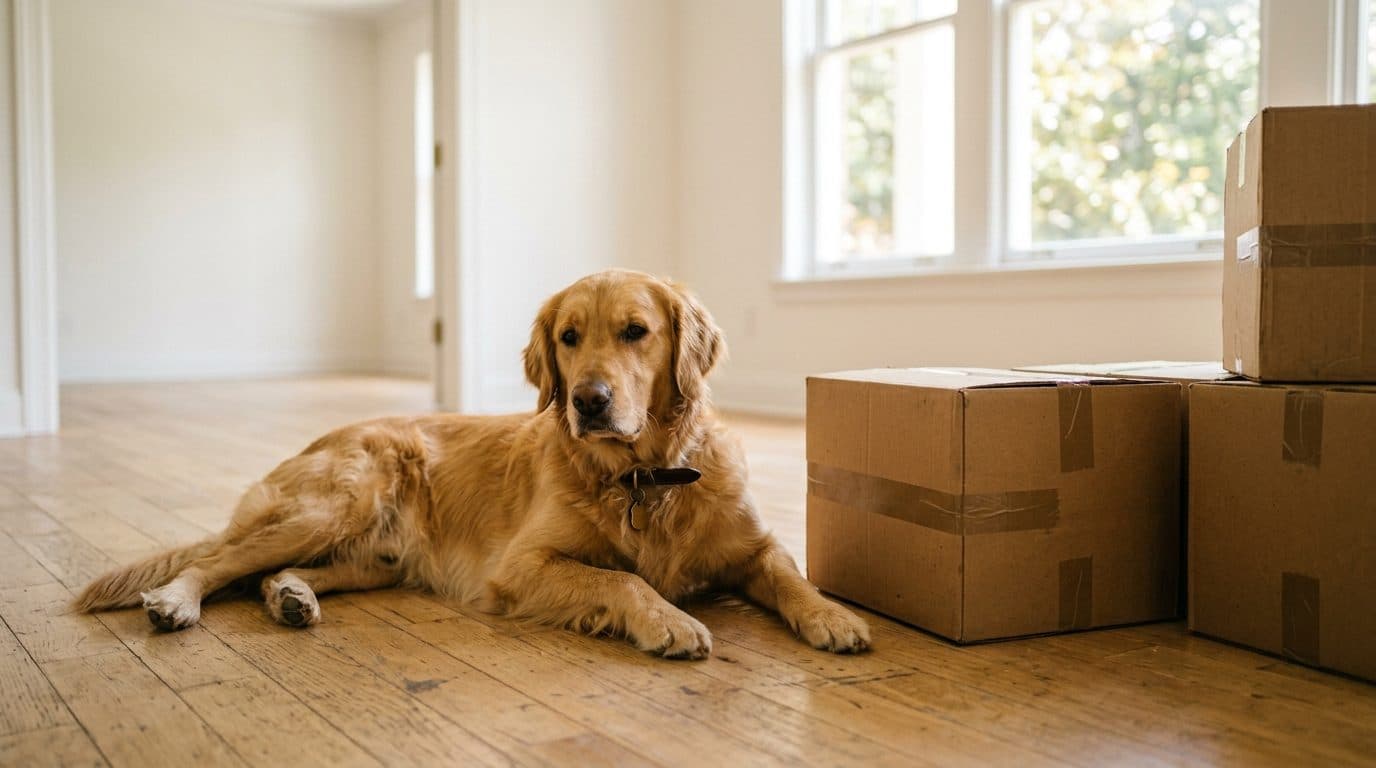
Buying Your First Home in Ontario When You Have a Pet
Condo pet rules, fenced yards, elevator routines, flooring and the walk to the nearest park — how a dog or a cat should change the shortlist without blowing up the budget.
The short answer
A dog or a cat belongs in the property shortlist alongside price and bedrooms, because condominium pet rules vary by corporation and can restrict the number, size and type of animal. At the first conversation Robin Patel asks about the pet, since it changes which buildings, townhouses and neighbourhoods are worth viewing at all.
Written forFirst-time buyers across the GTA and surrounding Ontario who own a dog, a cat or another pet and are deciding between a condo, a townhouse and a house.
The short version
- You do not need a detached house with a yard to own a pet — a condo, condo townhouse, freehold townhouse or semi can all work depending on the animal and the neighbourhood.
- Condominium pet rules vary by corporation and can restrict the number, size, type and behaviour of pets — review the governing documents before you offer, never after.
- On a condo apartment, evaluate the whole route from unit to outdoors, not just the unit; with a dog you will walk it several times a day.
- Parks, trails and safe walking routes can matter more to a dog’s daily life than the size of a backyard.
- Pet costs — food, vet care, grooming, insurance, boarding, emergencies — stay in your monthly budget after closing, so include them when you set a comfortable payment.
Your pet belongs in the property search
If you are a first-time buyer in Ontario and you have a pet, choosing your first home involves more than bedrooms, bathrooms, price and location. Your pet is part of your household, so the search should also consider outdoor space, condominium rules, nearby parks, flooring, stairs, neighbourhood traffic, veterinary services and how easily your pet can adapt to the property.
The good news is that you do not need a detached house with a large backyard to own a pet comfortably. A condo, a condo townhouse, a freehold townhouse, a semi-detached or a detached house could all work. The right choice depends on your pet, your lifestyle, your budget and your long-term plans.
Detached homes
A detached home offers the most flexibility for a pet owner, particularly with a fenced backyard: private outdoor space, room for larger pets, direct access to the outdoors, no shared hallways or elevators, more privacy and more control over the property.
The trade-off is affordability, and it is a large one depending on the Ontario community. For a first-time buyer Robin would not recommend stretching your finances because you believe your dog needs a detached home. Sometimes a smaller property in a neighbourhood with excellent parks and trails gives both of you a better daily life.
Semi-detached homes
A semi-detached home is often the middle ground: many of the advantages of a detached property, including a private entrance and usually a backyard, at a price that may be more accessible.
For a pet owner the questions to ask on a semi are specific — is the backyard fully fenced, is there enough outdoor space, are the neighbouring properties extremely close, is the street busy, are parks and trails nearby, and does the layout of the home actually suit your pet? For many first-time buyers with dogs, a semi is worth serious consideration.
Freehold townhouses
A freehold townhouse can be another strong option. Many offer a private entrance, a backyard, multiple levels, more space than most condo apartments, and in many situations no condominium pet rules to work around.
Every property is different, though. Pay attention to the backyard size, the fencing, the stairs, how close the neighbouring homes are, and any restrictions that still apply to the property.
Condo townhouses
A condo townhouse can combine affordability and space attractively. Many have ground-level entrances and private or semi-private outdoor areas, which makes them particularly interesting for dog owners.
Because it is a condominium, do not assume every pet is automatically permitted. Review the condominium’s governing documents and the applicable pet rules before you commit to the purchase — restrictions vary from one corporation to another.
Condo apartments
Yes, a first-time buyer with a pet can buy a condo apartment. For many buyers — especially with cats, or smaller or lower-energy dogs — it works very well.
Do not evaluate the unit alone, though. Evaluate the whole route: unit, hallway, elevator, lobby, building exit, outdoor area. If you are doing that several times a day with a dog, that route is a bigger part of your life than the finishes are. A lower-floor unit, or a building with easy outdoor access, can be more practical than a spectacular unit on a high floor.
If you are doing that several times a day with a dog, that route is a bigger part of your life than the finishes are.
Can a condo in Ontario restrict pets?
Condominiums can have rules and restrictions that affect pets, and the exact restrictions depend on the condominium and its governing documents. Depending on the building, they may involve the number of pets, size or weight, the types of animals, behaviour, use of common areas, leash or carrying requirements, and noise and nuisance provisions.
Never assume a condominium is pet-friendly because you saw other residents with dogs or cats. Have the relevant condominium documents reviewed before you buy, and get your real estate lawyer’s advice on what the restrictions actually mean for you.
Checklist: the property itself
When Robin is helping a first-time buyer who owns a pet, these are the property questions worth walking through:
- Is there a backyard, is it fenced, and is the fence secure?
- Is there enough outdoor space for this particular animal?
- Are there steep stairs?
- Is the flooring pet-friendly?
- Is there storage for pet supplies?
- Is there a convenient place for food, litter boxes or crates?
- Is the layout practical for how your pet actually moves around a home?
Checklist: the condominium
If the property is a condominium, add these before you make an offer:
- Are pets permitted at all?
- Are there size or weight restrictions?
- Are there limits on the number of pets?
- Are certain types of animals restricted?
- What are the rules for common areas?
- How convenient is elevator access, and how quickly can you get outside?
Checklist: the neighbourhood
Look beyond the property. A slightly smaller home in an excellent pet-friendly neighbourhood can give you a better life than a larger home in an inconvenient one.
- Parks, walking trails and green spaces.
- Sidewalks and traffic on the immediate streets.
- Veterinary clinics, and emergency veterinary services.
- Pet supply stores and groomers.
- Dog daycare or boarding.
- Off-leash areas, where the municipality provides them.
Buying a home with a dog
If you have a dog, think about your actual daily routine rather than the floor plan. Where will I walk the dog early in the morning? Where do we go in bad weather? How quickly can I get outside from the unit? Is there a safe walking route? Is the backyard properly fenced? Are there parks or trails nearby?
Those practical questions often tell you more about whether a property works than the square footage does.
Buying a home with a cat
Cat owners tend to have different priorities: window placement, natural sunlight, balcony safety, space for litter boxes, quiet areas, storage, the interior layout, and space for climbing structures — plus the condominium’s pet rules.
If the unit has a balcony, think through how you will safely manage your cat’s access to it before you buy, not after.
Should I buy a house just because I have a large dog?
Not necessarily. Having a large dog does not automatically mean you need a detached home. A townhouse beside a large park or trail system can provide a better lifestyle than a detached home with nowhere convenient to walk.
The decision should balance your pet’s needs, your needs, affordability, location and your long-term plans. Your first home still has to make financial sense.
Should pet owners prioritize a backyard?
A backyard is extremely convenient, especially for dog owners, but it should not automatically be your number one requirement.
Compare a property with a large backyard but a long commute and a higher mortgage payment against a smaller townhouse with a modest yard, excellent trails and parks, a shorter commute and more manageable monthly expenses. The second one can easily be the better home. Evaluate the complete lifestyle rather than one feature.
Do not forget your monthly pet expenses
When you work out what you can comfortably afford, remember that the home is not your only monthly commitment. Pet ownership involves food, veterinary care, medication, grooming, insurance, boarding, daycare, training, supplies and emergency expenses.
Those costs stay in your household budget after you become a homeowner. Qualifying for a mortgage and being comfortable with a mortgage are not the same thing, and pet costs are one of the line items that separates them.
Questions to ask before you decide
Before you commit to a property, answer these honestly:
- Does my pet fit comfortably into this property?
- Can I comfortably afford this home, pet costs included?
- Are there condominium pet restrictions, and have they been reviewed?
- How easy is outdoor access from the unit or the house?
- Are parks or trails nearby, and is the neighbourhood practical for walking?
- Is the backyard properly fenced?
- Are veterinary services nearby, including emergency care?
- Will this home still work if my lifestyle changes?
- Will it work for both of us several years from now?
Robin’s perspective
Robin does not believe the search should be about finding the biggest property your mortgage approval allows. Your home has to work with your actual life, and if you have a pet, that pet is part of the property selection.
For one buyer that means a detached house with a fenced backyard. For another it means a condo townhouse beside a beautiful trail. For someone with a cat, a well-designed condominium close to work can make far more sense than either. The question is not whether you can buy the property. It is whether you can comfortably afford it and whether it works for everyone who will live there, including your pet.
Robin helps first-time buyers evaluate properties throughout the GTA and surrounding Ontario communities, including Brampton, Mississauga, Milton, Caledon, Toronto, Etobicoke, Vaughan, Kitchener, Waterloo, Cambridge, Guelph and Hamilton. Every city and neighbourhood offers a different combination of prices, lot sizes, condominiums, parks, trails, commute options and lifestyle — so instead of asking where you can afford a house, ask where you can build the life you want within a budget you can comfortably manage.
Common questions
Can first-time buyers with dogs buy condos in Ontario? Potentially, yes — but the condominium’s pet rules and restrictions should be investigated before purchasing. Never assume every condo will accommodate your particular pet.
What type of property is best for a large dog? Properties with convenient outdoor access, including detached homes, semis and townhouses. Nearby parks and trails can matter as much as backyard size.
Are townhouses good for pets? They can be. Freehold and condominium townhouses often provide more space and easier outdoor access than condo apartments. For condo townhouses, review the applicable pet restrictions.
Should I tell my REALTOR® that I have a pet? Yes, and early. It affects which properties, condominiums and neighbourhoods you should be looking at in the first place.
Should I check condo pet rules before making an offer? Yes. If pet ownership matters to your purchase, understand the condominium documents and get appropriate professional advice before you are committed.
Is a backyard necessary if I own a dog? No. A backyard is convenient, but access to parks, trails and safe walking routes can make a property just as suitable.
Can my REALTOR® help me find pet-friendly properties? A REALTOR® can identify properties and investigate the relevant property and condominium information. Legal questions about condominium restrictions should be reviewed with an Ontario real estate lawyer.
Written by
Robin PatelSalesperson · The Agency Toronto
Updated
Published
Read in your language
A machine translation, not Robin’s words. For anything that decides money, ask him in Gujarati or Hindi directly.